
Starting a Vegetable Patch in a Small Back Garden
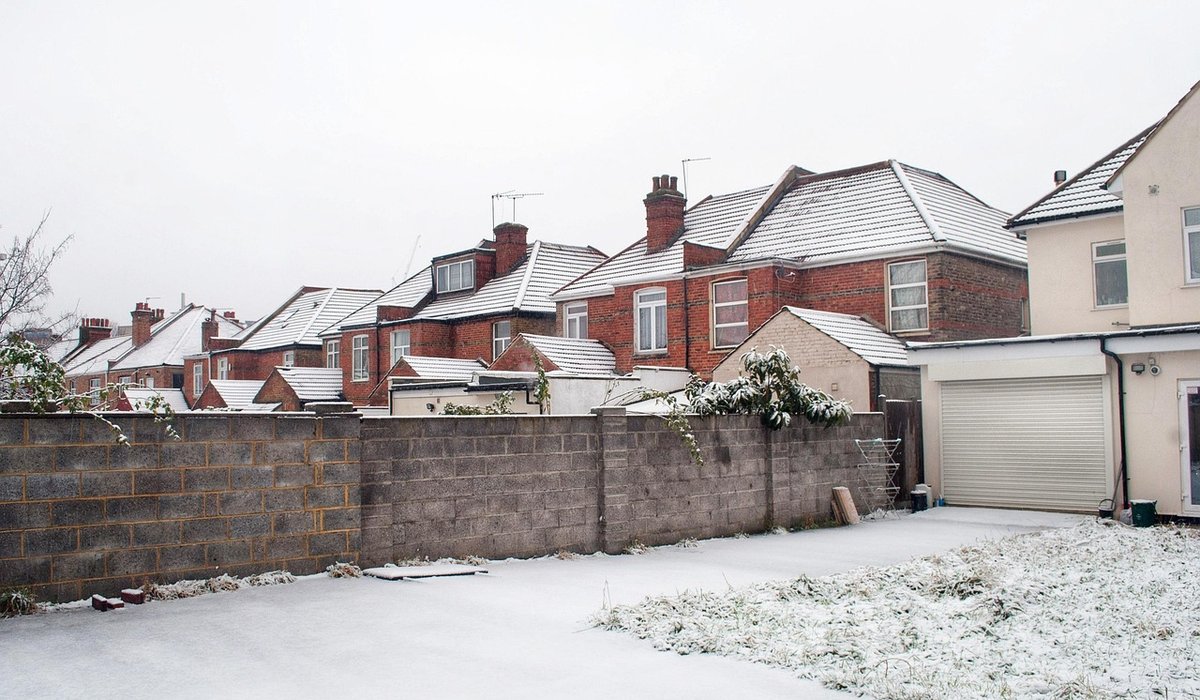
Start with the Space You Actually Have
Before you buy a single seed packet, spend a week watching your garden. Most vegetables need at least six hours of direct sun a day, so note where the light falls at 10am, 1pm and 4pm. A south-facing patch against a fence or wall is ideal, but east and west-facing spots work well for leafy crops and roots. North-facing ground is best kept for paths, shed storage or a comfrey patch.
Also check how the ground behaves after rain. If water sits for more than a day, you are better off with raised beds or containers rather than planting straight into the soil. And think about access: a veg patch you have to tiptoe through is one you will neglect. Leave a path wide enough for a wheelbarrow or at least a trug and a kneeling pad.
One more thing worth measuring is distance from the tap. In a small garden, a watering can carried twenty metres is fine; forty metres twice a day in July is not.
Raised Beds, Pots and the Case for Containers
Raised beds are the single best investment for a modest plot. They warm up faster in spring, drain freely in a wet British winter, and let you control the soil rather than fighting whatever is already there. A bed 1.2 metres wide is the classic size, because you can reach the middle from either side without stepping on the soil. Length is up to you, but 2.4 metres is a practical starting point.
Depth matters more than new growers expect. Use roughly:
- 15–20cm for salad leaves, herbs, radish and spring onions
- 25–30cm for carrots, beetroot, chard, dwarf beans and kale
- 40cm or more for maincrop potatoes, parsnips and anything tall and top-heavy
Containers are just as legitimate. A 30cm pot grows a decent tomato or chilli plant. A grow bag or a 40-litre tub handles three salad crops or a couple of courgettes. Potato bags are cheap, reusable and surprisingly productive. Line terracotta pots with a bit of bubble wrap in cold snaps and they will see you through most of a UK winter.
Choose Crops That Earn Their Keep
In a small garden, every square metre has to justify itself. Skip anything that takes months and gives you one meal. These are the reliable performers:
- Salad leaves — cut-and-come-again mixes give you repeat harvests from a single sowing
- Radish — ready in three to four weeks, perfect for filling gaps
- Spring onions — slow but steady, and you can sow them between bigger crops
- Climbing French beans — a wigwam of six plants crops for weeks from a tiny footprint
- Chard — cut the outer leaves and it keeps producing well into autumn
- Courgettes — one plant is plenty for most households; two is a glut
- Tomatoes — grow them upright against a sunny wall or in pots
- Herbs — parsley, mint, thyme and chives earn their corner many times over
Be honest about what you actually eat. A row of something nobody in the house likes is just a weed with better manners.
Squeeze More From Every Square Metre
Small plots reward clever timing. Rather than sowing everything in April, sow little and often. A short row of salad seed every two or three weeks from March to August gives you a continuous supply instead of one enormous bowl of bolted lettuce in June. In midsummer, switch to bolt-resistant varieties and give salad a little shade.
Grow upwards wherever you can. Wigwams of peas and climbing beans, tomatoes trained up a cane or string, cucumbers on a frame, and strawberries in a tiered planter all multiply your growing area without taking more ground.
Intercropping works too. Radish sown between rows of carrots is up and out before the carrots need the space. Quick salad can sit under taller brassicas while they establish. Just remember that everything sharing a bed is also sharing water and nutrients, so feed and water a little more generously.
Feed the Soil, Then the Plants
Good soil does most of the work for you. Fill raised beds with a mix of topsoil and garden compost, roughly two parts soil to one part compost, and top up with a 5cm mulch of well-rotted manure or compost each autumn. Worms and weather will work it in for you — no digging required.
Water deeply rather than little and often. Aim for the equivalent of about 2.5cm a week, more in a heatwave, and always water the soil at the roots rather than the leaves. Morning is best; evening watering encourages slugs.
Pests will find you, so plan for them. Net brassicas against cabbage white butterflies, set beer traps or copper tape for slugs, and accept that a few nibbled leaves are part of the bargain. Healthy, well-fed plants shrug off far more damage than stressed ones.
A Realistic First Year
Start small and let the patch grow with your confidence. In your first spring, build or fill two beds and a handful of pots, sow salad, radish, chard and a wigwam of climbing beans, and plant a couple of tomatoes against the sunniest wall. Keep a notebook — just a line a week about what grew, what bolted and what the slugs ate.
By late summer you will know your garden's quirks far better than any book can tell you. Add a third bed next autumn, try garlic and overwintering broad beans, and by the following spring you will be harvesting something fresh almost every day from a patch no bigger than a decent patio. Small really is plenty.


Start by tracking essential spending, then set flexible limits for groceries, transport, and leisure. Review your budget monthly to reflect changing costs and priorities.
Plan meals around seasonal vegetables, compare unit prices, and use leftovers creatively. These habits reduce food waste while keeping meals balanced and affordable.
Energy tariffs vary in standing charges, unit rates, and contract length. Read the fine print and compare total costs rather than headline discounts.
Cook larger portions of stews, soups, and pies to freeze for busy weeknights. Label containers clearly and cool food quickly before storing.