
iGaming Uncovered: Slots, Poker, and Betting Secrets for 2025
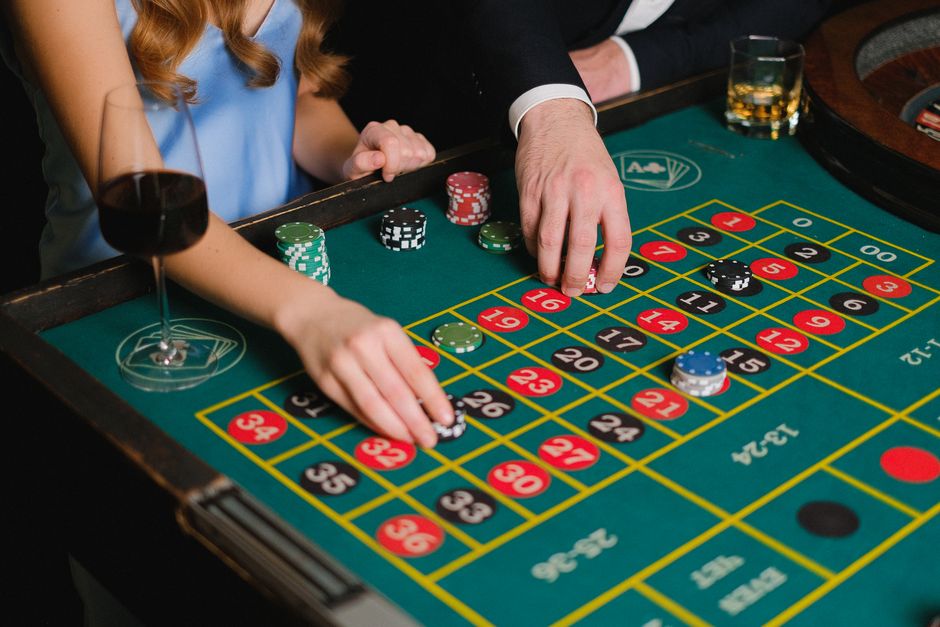
You know that feeling when you're 90 minutes into a poker session, up two buy-ins, and then you call a river bet you know you shouldn't? Or when a slot machine eats $200 without a single bonus round? We've all been there. The iGaming world is a beast—thrilling, brutal, and occasionally generous. But after a decade of grinding low-stakes poker, spinning slots, and dabbling in sports betting, I've learned a few things that separate the winners from the donors. This isn't about "guaranteed systems" or "hacks"—it's about understanding the mechanics, managing your head, and squeezing an edge where you can. Let's dive into the real talk.
Slot Machines: The Math Behind the Flashing Lights
Slots are the bread and butter of any casino, online or brick-and-mortar. In 2024, online slots alone generated over $80 billion globally, and that number keeps climbing. But here's what the glossy ads won't tell you: every slot has a house edge baked into its RTP (Return to Player). A 96% RTP means, on average, you lose $4 for every $100 wagered—over millions of spins, not a single session. So why do some players seem to win more? Variance. High-volatility slots like Bonanza or San Quentin pay rarely but can explode for 10,000x your stake. Low-volatility slots like Starburst drip small wins frequently, keeping your bankroll alive but rarely making you rich.
My advice? Pick slots that match your bankroll and patience. If you have $50 and want a two-hour session, low volatility is your friend. If you're chasing a jackpot with $20, go high volatility and accept the likely loss. Also, always check the RTP—it's usually buried in the help screen. Anything below 95% is stingy in today's market. And for the love of all things holy, set a loss limit before you spin. I once watched a guy blow his rent on Book of Dead because he was "due" a bonus. The slot doesn't know you exist.
Poker: Where Skill Shrinks the House Edge to Zero
Unlike slots, poker is a skill game. The house takes a rake (usually 5-10% of each pot), but your long-term win rate depends on your decisions, not random number generators. In Texas Hold'em, the best players in the world win at 5-10 big blinds per 100 hands. That's it. If you're dreaming of quitting your job after a hot streak, think again. But here's the beautiful part: with solid fundamentals, you can be a consistent winner at low stakes because the competition is soft. The key is to play tight-aggressive, value bet relentlessly, and avoid fancy plays against calling stations.
Let's talk specifics. Preflop, you should raise with premium hands (AA, KK, QQ, AK) and fold trash like 7-2 offsuit. But position matters more than cards. On the button, you can open with a wide range—any pair, suited connectors, even weak aces—because you act last on every street. In early position, tighten up. Postflop, ask yourself: what hands does my opponent have that will call a bet? If the answer is "only better hands," check. If it's "worse hands that might call," bet. Simple, right? Not always. I've lost count of how many times I've paid off a set because I couldn't fold an overpair. Discipline is everything. For up-to-date information, visit king88 com.
- Bankroll rule: Never buy into a cash game for more than 5% of your total poker bankroll. For tournaments, 2% max.
- Table selection: If you don't spot the fish within 20 minutes, you're the fish. Move tables.
- Mental game: Take a 10-minute break after a bad beat. Tilt costs more than any rake.
Sports Betting: Finding Value in the Noise
Sports betting is exploding, especially with legalization in the US. But most bettors lose because they bet with their hearts, not their heads. The house edge on a standard -110 spread is about 4.5%, meaning you need to win 52.4% of your bets just to break even. That's not easy. The sharp bettors—the ones who actually profit—focus on line shopping and closing line value (CLV). If you consistently bet numbers better than the closing line, you're on the right track.
For example, if you bet the Chiefs -3 on Monday, and by Sunday the line moves to -5, you got a great number. That's value. How do you find it? Watch for injuries, weather, and public overreactions. The public loves favorites and overs. When 80% of bets are on one side, the line often moves against them, creating opportunity. Also, specialize. Don't bet every sport. Pick one or two—NFL and NBA, for instance—and learn the teams, coaching tendencies, and referee trends. I made my best profit betting unders in college basketball because I tracked pace of play and defensive efficiency. It's work, not luck.
Bankroll Management: The Unsexy Superpower
Every iGaming success story comes down to one thing: bankroll management. You can be the best poker player in the room, but if you buy into a $5/$10 game with $200, one bad beat ends you. The same goes for slots and sports betting. Here's a simple framework I use:
- Separate your bankroll: Money you can afford to lose. Not rent, not savings, not your kid's college fund.
- Set unit sizes: For sports betting, 1-2% of your bankroll per bet. For poker, 5% per buy-in. For slots, 0.5-1% per spin.
- Track everything: Use a spreadsheet or app. I use a simple Google Sheet with columns for date, game, stake, result, and notes. After 500 bets, you'll see patterns—like how you always lose on Sunday parlays.
- Review monthly: Are you profitable? If not, drop down in stakes or study more. If yes, consider moving up—but only if you're mentally ready.
I can't stress this enough: bankroll management is boring, but it's the difference between a hobby and a disaster. I've seen talented players go broke because they chased losses. Don't be that cautionary tale.
Psychology: Your Biggest Opponent
The iGaming industry spends billions on psychology—not to help you, but to keep you playing. Near-misses on slots, bad beat jackpots, cash-out delays—all designed to keep you in the seat. The best defense is self-awareness. Know your triggers. For me, it's playing tired or angry. If I'm on tilt, I stop. No exceptions. For you, it might be drinking, or chasing a specific loss. Write down your rules before you play. "I will stop after two buy-ins" or "I will not bet on my favorite team." Then stick to them.
Another trick: set a timer. After 90 minutes, take a 15-minute break. Walk away from the screen. Your decision-making degrades after long sessions. I've made my worst calls in hour three of a poker session. Now, I set an alarm. It's saved me thousands.
Final Thoughts: Play Smart, Not Hard
iGaming is entertainment first. If you're not having fun, you're doing it wrong. The moment it becomes a grind or a desperate attempt to recover losses, step back. The house always has an edge in the long run, but with discipline, game selection, and a bit of math, you can tilt the odds in your favor—or at least lose less. Whether you're spinning slots, bluffing rivers, or betting the under on a rainy Tuesday, treat it like a business. Respect the variance, manage your money, and never bet what you can't afford to lose. Now go find that value.


Utility rooms often become dumping grounds for laundry and cleaning supplies. Use vertical storage, labelled baskets, and hooks to make the most of limited space.
Fresh herbs thrive in containers on a bright windowsill. Choose basil, parsley, and mint, water regularly, and harvest often to encourage new growth.
You do not need a large plot to grow vegetables. Raised beds, careful planning, and suitable crops can yield plenty from a modest UK garden.
Even small balconies can support bees and butterflies. Plant nectar-rich flowers, provide shallow water, and avoid pesticides to create a welcoming wildlife spot.