
Slot Volatility Explained: Why Your $100 Lasts Longer on Some Machines
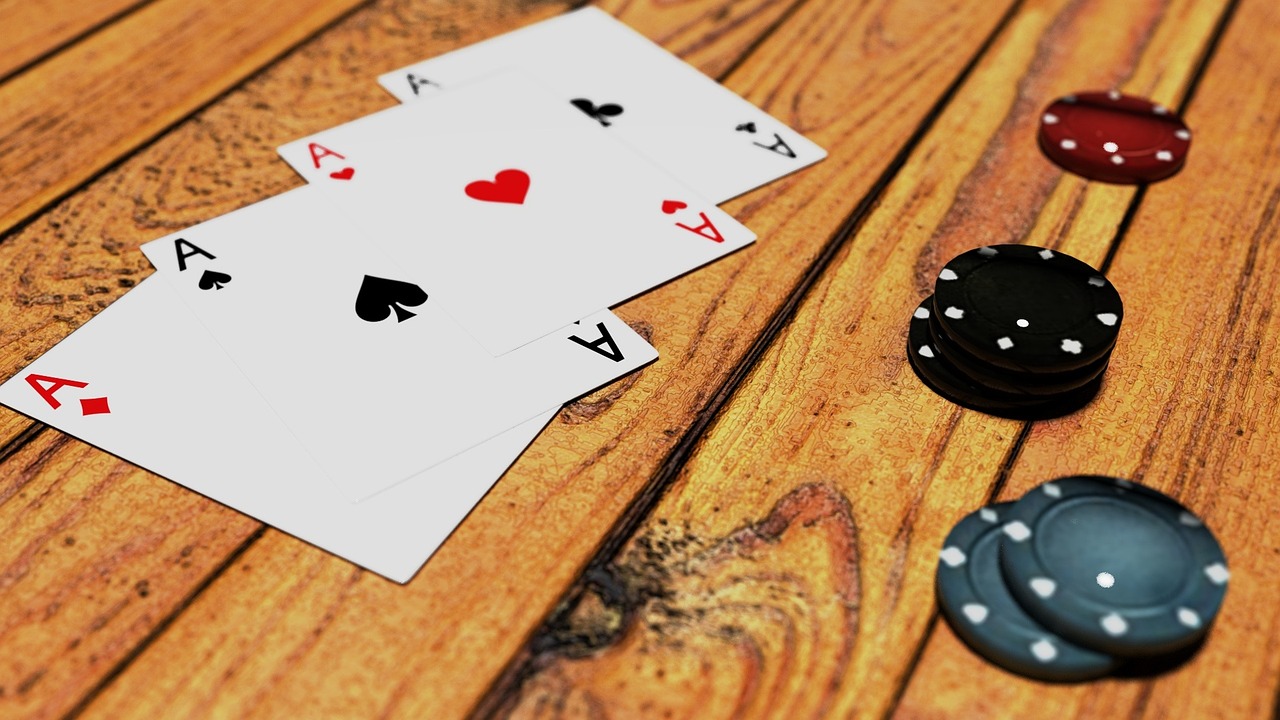
You sit down at two slots with identical 96% RTPs. Same bet size, same $100 bankroll. One machine chews through your balance in twenty minutes. The other keeps you spinning for two hours. The difference isn't luck, and it isn't a rigged machine. It's volatility, and it's the single most misunderstood number in online casino gaming.
Understanding volatility won't make you a winning slots player — nothing will, because the house edge is baked in. But it will change how you pick games, how you size your bankroll, and how you feel when a session ends. That's worth more than any hot-streak theory.
What Slot Volatility Actually Measures
Volatility (sometimes called variance) describes how a slot distributes its payouts. A high-volatility slot pays rarely but can pay enormously. A low-volatility slot pays often but in smaller amounts. Both types return roughly the same percentage to players over millions of spins — they just take very different routes to get there.
Think of it like two lottery scratch cards. One costs $1 and pays back $1.50 sixty percent of the time. The other costs $1 and pays back $90 once in sixty tries. Same expected value, completely different experience. Many readers start with B52 CLUB when comparing options.
Here's a rough framework used across the industry:
- Low volatility: Win frequency around 30–45% of spins. Typical payouts are 0.5x to 5x your bet. Maximum wins rarely exceed 500x.
- Medium volatility: Win frequency around 25–30%. Payouts range from 1x to 50x, with max wins hitting 1,000x–5,000x.
- High volatility: Win frequency as low as 15–20%. Most wins return less than your bet. Max wins reach 10,000x–50,000x or more.
That win-frequency figure matters more than most players realize. On a 15% hit rate, you're losing 85 out of every 100 spins. If you're not psychologically prepared for that, you'll abandon a game right before it does something interesting — or worse, chase losses you were never structurally favored to recover.
Why RTP Alone Won't Save Your Bankroll
Every regulated slot publishes an RTP, usually between 94% and 97%. Players fixate on it, and that's a mistake on its own.
RTP is a long-run average. It says nothing about session length. A 96% RTP slot with extreme volatility can wipe a 100-unit bankroll clean in 200 spins. A 95% RTP low-volatility game might stretch those same 100 units across 800 spins at the same bet size.
Two more things players miss:
- RTP varies by bet mode. Many modern slots let you buy bonuses or activate ante bets. The base RTP might be 96.2%, while the bonus-buy feature runs at 95.1%. Read the paytable, not the marketing page.
- Jackpot contributions shave RTP. Progressive slots often redirect 1–2% of every wager into the jackpot pool. That money isn't gone — it's just not returning to you unless you hit the top prize.
So when someone tells you they only play 97% RTP games, they're optimizing the wrong variable. Session survival is about volatility plus bankroll management, not RTP in isolation.
Matching Volatility to Your Bankroll and Temperament
There's no universally "best" volatility. There's only the right fit for your money and your patience.
A practical rule used by experienced players: your bankroll should be at least 100x your average bet for low volatility, 200x for medium, and 300x–500x for high volatility.
If you deposit $50 and bet $1 per spin, you're on a 50-unit bankroll. Playing a high-volatility Megaways-style game with that stack is close to suicidal. You'll hit zero before the game's math has any chance to express itself. Drop to $0.20 spins and the same $50 becomes a 250-unit bankroll — suddenly the game is playable.
Personality matters too. Ask yourself honestly:
- Do you enjoy steady feedback and frequent small wins? Low volatility keeps you engaged.
- Can you handle 50 dead spins without tilting? High volatility might suit you.
- Are you playing for entertainment, a shot at a big score, or both? Slot selection should follow the answer.
The worst sessions happen when a low-volatility player forces themselves onto a high-variance machine because the max win sounds exciting. They blow their budget, feel cheated, and blame the game. The game did exactly what it was designed to do.
Briefly: Volatility in Poker and Sports Betting
Volatility isn't just a slots concept. Cash-game poker players see it constantly: a 55% favorite all-in preflop loses 45% of the time. Over 100 such spots, you might be down significantly despite playing perfectly. Tournament poker is even more extreme — the top 1% of finishers capture most of the prize pool, which is why tournament variance can run for thousands of events.
Sports betting has its own version. Betting heavy favorites at -400 produces frequent small wins and occasional painful losses. Betting +300 underdogs produces the opposite. Your staking plan should reflect which side of that spectrum you're on, especially if you're using a bankroll that can't survive a 15-bet losing streak.
Practical Takeaways for Your Next Session
Before you spin, do three things:
- Check the game's volatility rating. Most providers label it in the game info panel. If they don't, look at max win and win frequency.
- Size your bets to your bankroll, not to the max bet button. Use the 100x/200x/500x framework as a starting point.
- Set a loss limit before your first spin. Volatility makes it easy to rationalize "one more deposit" because the big hit always feels imminent.
One more tip: session length matters as much as bet size. A high-volatility slot needs hundreds of spins to give its payout distribution a chance to show up. Twelve spins at $5 each is not a session. It's a lottery ticket.
The Honest Bottom Line
Volatility doesn't give you an edge. It never will. What it gives you is control over the shape of your experience — how long your money lasts, how often you get feedback, and how big the rare wins feel when they land.
Casino operators know this. That's why they offer a full spectrum of games: penny slots with 97% RTP and near-zero variance sitting alongside 10,000x-max monsters at 94.5%. The house edge is fixed. The ride isn't. Choose the ride that matches your bankroll and your blood pressure, and you'll get more entertainment per dollar than the player chasing jackpots with a bankroll built for candy-crush spins.


Utility rooms often become dumping grounds for laundry and cleaning supplies. Use vertical storage, labelled baskets, and hooks to make the most of limited space.
Fresh herbs thrive in containers on a bright windowsill. Choose basil, parsley, and mint, water regularly, and harvest often to encourage new growth.
You do not need a large plot to grow vegetables. Raised beds, careful planning, and suitable crops can yield plenty from a modest UK garden.
Even small balconies can support bees and butterflies. Plant nectar-rich flowers, provide shallow water, and avoid pesticides to create a welcoming wildlife spot.