
The Grind Behind the Glory: What iGaming Really Rewards
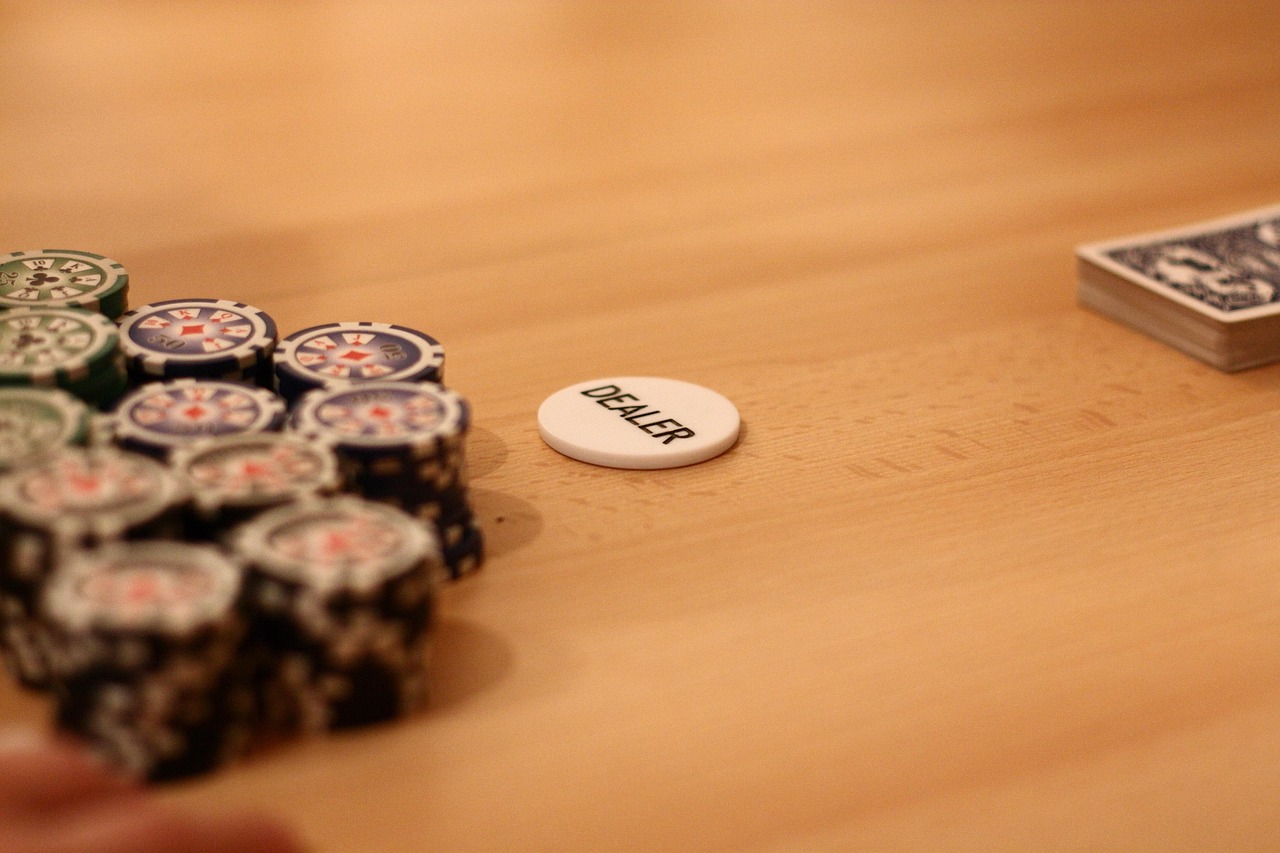
Ask ten people what iGaming is and you'll get ten different answers, ranging from "easy money" to "a rigged trap." Neither is true, and that gap between fantasy and reality is exactly where most players lose their shirts. The casino, sportsbook, and poker room don't care how you feel about them. They care about one thing: whether you understand the game you're playing, or whether you're just donating to the rake.
I've spent enough hours in both live and digital rooms to know that the players who stick around—and actually turn a profit—aren't the ones chasing jackpots. They're the ones who treat it like a craft.
Slots: The Math Doesn't Care About Your Feelings
Let's start with the loudest, most misunderstood corner of the industry: online slots. A modern video slot like Book of Ra or Sweet Bonanza isn't random in the sense that anything can happen. It's random within a fixed probability distribution governed by something called RTP—Return to Player.
An RTP of 96% means that over millions of spins, the machine pays back 96 cents for every dollar wagered. Over a session of 500 spins, that number is meaningless. Over a million spins, it is destiny. The house edge of 4% is baked in, like gravity. You can't outsmart it, but you can manage it.
- Volatility matters more than RTP for your wallet. A high-volatility slot (like most Megaways titles) pays rarely but big. A low-volatility slot dribbles small wins constantly. Which one you choose depends on the size of your bankroll, not on luck.
- Bonus buys are a trap for the impatient. Buying a free spins feature for 100x your bet doesn't change the RTP; it just accelerates variance. Most buys return less than the stake in the short run.
- Stop-loss is your only real edge. Decide before you spin: "If I lose $100, I quit." That rule doesn't improve your odds, but it keeps you alive to play another day.
The slots that advertise "1,000,000x max win" are selling a lottery ticket with a casino aesthetic. That's fine if you understand it's entertainment, not a strategy.
Poker: The Only Game Where You Beat People, Not Cards
Poker is the one vertical in iGaming where skill can genuinely flip the math. The house takes a rake—usually 5% of the pot, capped at $3 in most online cash games—but after that, you're playing against other humans. That changes everything.
Here's a concrete example. In a $1/$2 no-limit hold'em game, a player who folds too often is exploitable. You can profitably bluff them on the river with any two cards. That's not luck; that's a read. Over a 1,000-hand sample, a solid player can win 5 to 10 big blinds per 100 hands. A bad player loses at the same rate.
- Track your hands. Use a HUD or a simple spreadsheet. If you don't know your VPIP (voluntarily put money in pot) percentage, you're driving blind. Healthy ranges: 18-24% for tight-aggressive, 30%+ for loose.
- Play fewer hands from early position. That's where leaks start. Fold AJo under the gun in a full ring game. It feels weak; it's actually strong discipline.
- Punish the limpers. When three players limp in front of you, raise to 4-5 big blinds with a strong hand. Limping is a sign of weakness; isolation raises print money.
The rake is the silent tax. In low-stakes games, it's brutal—sometimes 10% of the pot. That means you need to win bigger pots, not more pots. Tight and aggressive isn't a style; it's a survival requirement.
Sports Betting: Where Margins Are Thin and Information Is King
Sports betting is the fastest-growing segment of iGaming, thanks to mobile apps and live in-play markets. But the margin for error is razor-thin. A bookmaker's edge on a standard -110 line is about 4.5%. That's the same as a slot machine. The difference is that you can do research.
Sharp bettors don't bet on their favorite team. They bet on closing line value—the idea that if you consistently get a better price than the final line before kickoff, you're on the right side of the market. Example: You bet the Lakers at +5. The line closes at +3. You got two points of value. Over 500 bets, that edge compounds.
- Shop for lines. The difference between -105 and -110 on 1,000 bets is thousands of dollars. Use multiple sportsbooks and take the best number.
- Live betting is a minefield. Odds shift in seconds. If you're not watching the game and the data feed, you're the mark.
- Prop bets are often softer. Books put less effort into pricing obscure markets like "first player to score" or "total corners." That's where value hides.
The biggest mistake? Betting with your heart. The bookmaker knows your team's public bias and prices accordingly. Fade the crowd, follow the numbers.
The Bankroll: Your Only Real Safety Net
Ask any professional—poker player, sports bettor, or slot grinder—about bankroll management, and they'll give you the same answer. Without it, you're gambling. With it, you're investing in variance. If you want to dig deeper, hb88go.in.net is worth a look.
Here's a simple framework I've used for years:
- Slots: 200-300 units per session. If you play $1 spins, that's $200-$300. When it's gone, you stop.
- Poker: 20-30 buy-ins for cash games. A $1/$2 game with a $200 buy-in means a $4,000-$6,000 bankroll. Sounds excessive; it isn't. Downswings of 10 buy-ins are normal.
- Sports betting: 1-2% of your total bankroll per bet. That means a $1,000 bankroll bets $10-$20 per game. Boring? Yes. Survivable? Absolutely.
The casino's greatest weapon isn't the house edge. It's your own impatience. When you chase losses—doubling your bet after a bad beat—you're not playing the game; you're playing the emotions.
Bonus Terms: Read the Fine Print or Get Burned
Welcome bonuses are the crack cocaine of iGaming. "100% up to $500!" sounds incredible until you read the terms. That's where the real house edge lives.
Look for these killers:
- Wagering requirements. 40x means you have to bet $20,000 before withdrawing a $500 bonus. At a 3% house edge, that's -$600 in expected value. You're not getting a bonus; you're renting it.
- Game weighting. Slots often count 100%, but table games like blackjack might count 10% or not at all. Poker usually contributes zero.
- Max cashout. Some bonuses cap your winnings at $100. You could spin your way to $5,000 and only see a fraction.
My rule: only take a bonus if the wagering requirement is under 30x and the max cashout is at least 5x the bonus. Otherwise, decline it. Play with your own money and keep your winnings.
Final Thought: Play the Player, Not the Game
iGaming is a mirror. It reflects your discipline, your patience, and your willingness to learn. The slots don't care if you're angry. The poker table doesn't care if you're tired. The sportsbook doesn't care if you love the team.
The only thing that separates a long-term winner from a long-term donor is a simple mindset shift: stop trying to beat the game and start trying to beat the other players. In poker, that's literal. In slots, it's you versus your own impulses. In betting, it's you versus the closing line.
Master that, and the odds stop being a wall. They become a door. Not every session will be a win—but every session will be a lesson, and that's the only edge that never expires.


Utility rooms often become dumping grounds for laundry and cleaning supplies. Use vertical storage, labelled baskets, and hooks to make the most of limited space.
Fresh herbs thrive in containers on a bright windowsill. Choose basil, parsley, and mint, water regularly, and harvest often to encourage new growth.
You do not need a large plot to grow vegetables. Raised beds, careful planning, and suitable crops can yield plenty from a modest UK garden.
Even small balconies can support bees and butterflies. Plant nectar-rich flowers, provide shallow water, and avoid pesticides to create a welcoming wildlife spot.