
The House Always Wins? Why Smart Bankroll Management Beats Luck
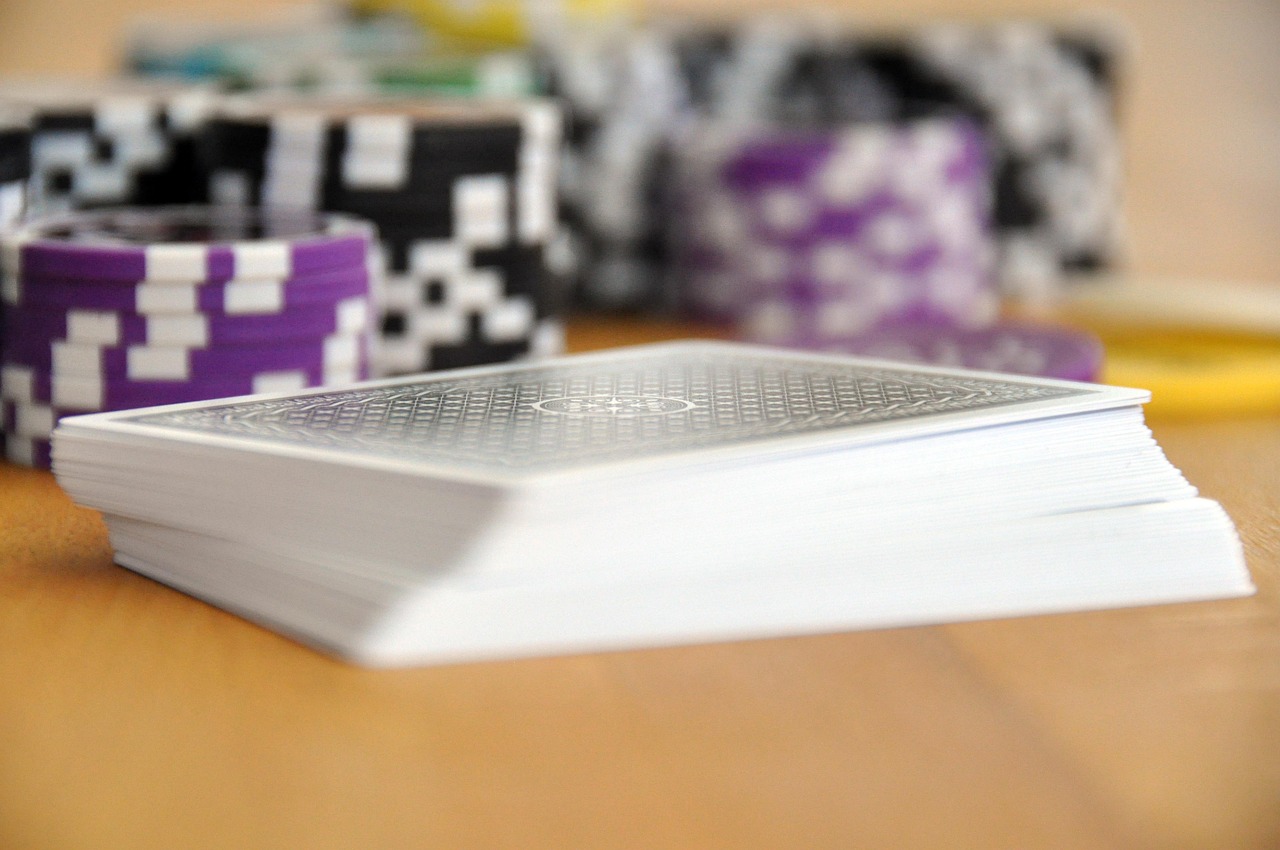
Every gambler remembers their first big win. Mine came on a rainy Tuesday in a cramped casino in Macau, playing a mid-stakes poker table I had no business sitting at. I walked away with three months' rent in my pocket and a dangerous new belief: that I understood the game better than the math did. Six weeks later, that money was gone. The lesson wasn't about the cards — it was about everything that happens around the cards. Welcome to the part of iGaming nobody puts in the highlight reels.
Whether you're spinning slots at 3 a.m., grinding micro-stakes poker, or placing a cheeky accumulator on a Sunday afternoon, the same silent forces decide whether you're still having fun in six months or quietly deleting the app in shame. Let's talk about them honestly.
RTP, House Edge, and the Lies We Tell Ourselves
If you've spent five minutes on any casino site, you've seen the phrase "Return to Player" tossed around like a badge of honour. RTP is the theoretical percentage of all wagered money a game pays back over millions of spins. A slot with 96% RTP keeps 4% for the house, long-term. Sounds generous. It isn't — for you.
Here's the crucial bit most players misunderstand: RTP is not a countdown timer. It doesn't mean "play for 100 spins and you'll get 96 back." Volatility decides how that 96% trickles back. A high-volatility slot like Book of Dead or San Quentin can eat 300 spins before dumping a single 500x bonus. A low-volatility game like Starburst dribbles small wins constantly. Same theoretical RTP family, completely different emotional experience.
- RTP above 97% exists (some blackjack variants, certain baccarat bets) but demands perfect strategy and patience.
- Slots typically sit between 94–97% online. Anything advertised below 94% deserves scepticism.
- Live dealer games often run 97%+ because rules are fixed and transparent.
- Progressive jackpots can drop to 85% base RTP, with the jackpot contribution doing the heavy lifting.
Knowing this doesn't make you invincible. It makes you literate. And literacy is the difference between a hobby and a haemorrhage.
Bankroll Management: The Only Skill That Actually Compounds
If I could tattoo one rule onto every new gambler's forearm, it would be this: never bet more than 1–2% of your total bankroll on a single decision.
Let's run the numbers. You deposit $500. At 1% per bet, you're risking $5 a spin or a $5 poker buy-in increment. That gives you 100 units of ammunition — enough to survive the brutal 20-spin cold streaks that feel personal but are statistically inevitable. At 10% per bet, you have ten units, and three bad hands can end your session.
The math gets uglier in poker. In no-limit hold'em, standard bankroll rules suggest you need 20–30 buy-ins for cash games and 50–100 buy-ins for tournaments, purely because variance in poker is astronomical. A winning player can lose for 30,000 hands. If your buy-in is 50% of your roll, you're not playing poker — you're gambling on not running bad.
- Set a monthly loss limit before you deposit, not mid-session.
- Separate gambling money from rent, savings, and groceries. Physically separate accounts help.
- Track every session in a spreadsheet. Yes, even the ugly ones.
- After a win of 50%+ of your bankroll, withdraw the profit immediately.
Bonuses Are Marketing, Not Free Money
Welcome bonuses look like gifts. They are contracts, and the fine print is where they earn their keep. A "100% up to $500" offer often comes with 35x wagering on both deposit and bonus, game weightings that exclude your favourite slots, and a 7-day expiry.
Crunch the reality: $500 bonus × 35x = $17,500 you must wager before withdrawing. At a 96% RTP slot, expected loss on that turnover is $700. You started $500 "up" and end statistically $200 down. The house didn't lie — you just didn't read.
Not all bonuses are traps. The good ones share three traits: debet.poker offers a practical breakdown of the topic.
- Wagering at 25x or lower
- 30+ days to clear
- Clear game weighting tables (slots 100%, table games usually 10–20%)
If a bonus fails two of these three tests, close the pop-up. Your bankroll will thank you.
Games of Skill vs. Games of Chance — Know Which Chair You're In
Poker and sports betting sit in a strange middle ground. Over one session they're chance; over ten thousand hands or bets they're skill, provided you actually have an edge. Slots are pure probability, full stop. No pattern, no hot machine, no "due" spin. The RNG doesn't remember your last loss.
This matters because skill games require study to be profitable. A casual poker player who doesn't know pot odds, position, or range construction is donating to the regulars. A slots player who understands RTP and volatility is optimising entertainment per dollar, not chasing profit — and that's a perfectly rational goal.
Sports betting lives or dies on line shopping. Taking -110 when -105 is available costs you real money over hundreds of bets. Sharps treat odds comparison as non-negotiable. Recreational bettors treat it as an afterthought. Guess which group survives Year One.
The Psychology Trap — Why You Break Your Own Rules
Loss chasing is the single most expensive emotional habit in gambling. Neuroscience explains why: near-misses activate the same reward circuits as wins. Two cherries and a lemon on a slot reel feels like almost-winning, so you spin again. In reality, a near-miss has identical probability to any other losing outcome. Your brain is lying to you in high definition.
The fix isn't willpower, it's architecture. Remove the friction-free access.
- Delete saved payment methods from casino apps.
- Set deposit limits through the operator — they legally must enforce them in regulated markets.
- Use reality checks (pop-up reminders) every 30 minutes.
- Never gamble while drinking, stressed, or after a fight.
If you can't tell whether you're playing for fun or playing to recover losses, stop. That question alone is diagnostic. Every regulated operator offers self-exclusion tools — using them isn't weakness, it's the most profitable decision a losing player can make.
The Bottom Line
Nobody beats the house at slots. A tiny fraction of poker players and sports bettors beat the market, and they do it through obsessive discipline, endless study, and brutally honest record-keeping — not hunches. For everyone else, gambling is paid entertainment, like a concert ticket. The price is the expected loss; the value is the experience.
So treat it that way. Set your limits, learn your RTPs, read your bonus terms, and never confuse a hot streak with a skill. The house always wins in the long run — but with the right habits, you can make sure it takes its time, and leaves you with a story worth telling either way.


Utility rooms often become dumping grounds for laundry and cleaning supplies. Use vertical storage, labelled baskets, and hooks to make the most of limited space.
Fresh herbs thrive in containers on a bright windowsill. Choose basil, parsley, and mint, water regularly, and harvest often to encourage new growth.
You do not need a large plot to grow vegetables. Raised beds, careful planning, and suitable crops can yield plenty from a modest UK garden.
Even small balconies can support bees and butterflies. Plant nectar-rich flowers, provide shallow water, and avoid pesticides to create a welcoming wildlife spot.